info@solarworldestates.com
+61 234 567 8900
Tesla Powerwall

The solar industry is booming, with more businesses and homeowners turning to renewable energy solutions to reduce their carbon footprint and save on energy costs. Solar World Estates is here to help you on how to choose the right ones for your business or project.

The Different Types of Solar Wholesaler Products and Their Advantages and Disadvantages

The solar industry is booming, with more businesses and homeowners turning to renewable energy solutions to reduce their carbon footprint and save on energy costs. Solar wholesalers play a critical role in this transition, supplying essential components to installers, retailers, and businesses looking to capitalize on the growing demand for solar power.

However, with numerous products available in the solar wholesale market, it can be challenging to determine which options are best for specific needs. In this article, we will explore the different types of solar wholesaler products, their advantages and disadvantages, and how to choose the right ones for your business or project.
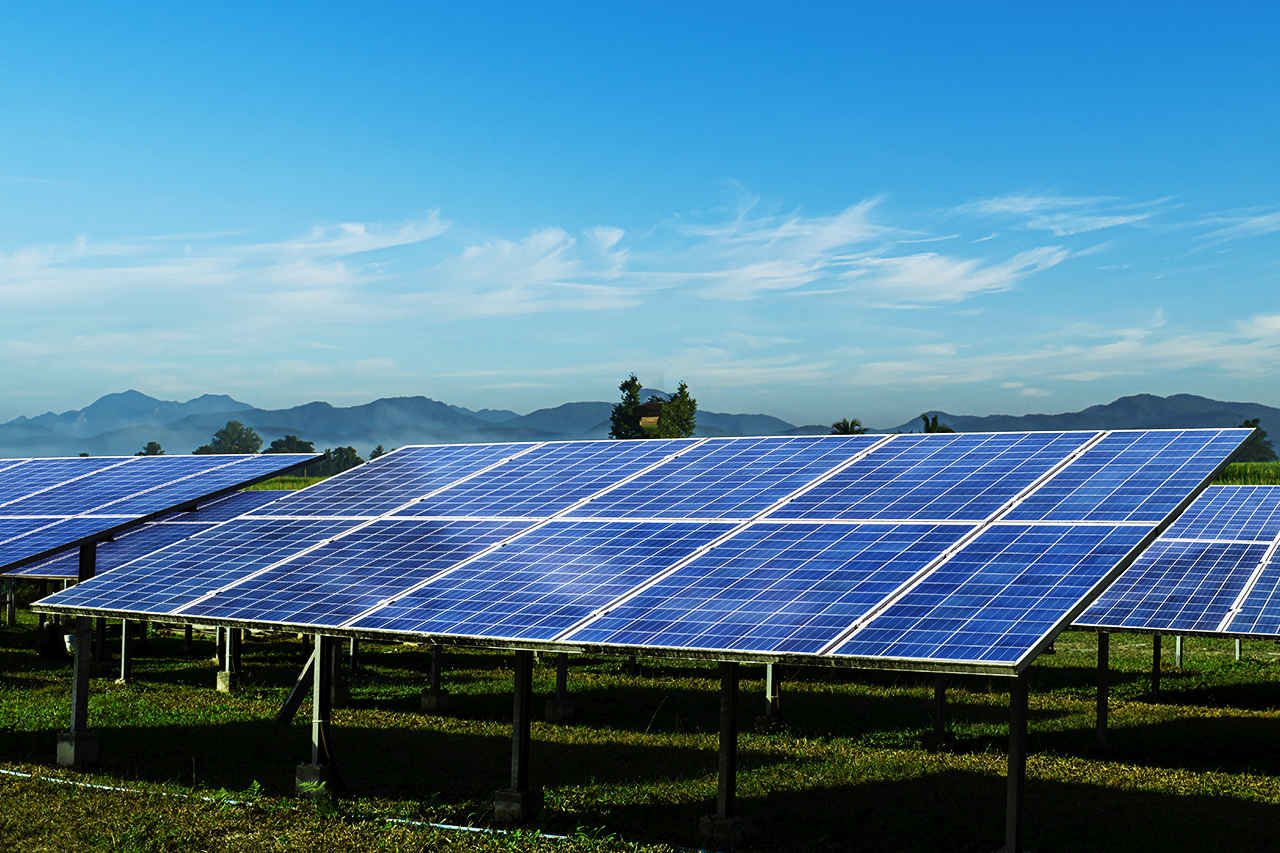
1. Solar Panels

Advantages

  • Energy Efficiency: High-quality solar panels convert sunlight into electricity efficiently, reducing reliance on traditional energy sources.
  • Durability: Many solar panels have long lifespans, often exceeding 25 years, with minimal maintenance.
  • Variety: Solar panels come in different types, including monocrystalline, polycrystalline, and thin-film, catering to various needs and budgets.
  • Environmental Benefits: Reduces carbon footprint and contributes to a greener planet.

Disadvantages

  • Initial Cost: While prices have decreased, purchasing wholesale solar panels still requires a significant upfront investment.
  • Space Requirements: Some solar panel types, particularly polycrystalline, require more space to generate the same amount of electricity as higher-efficiency alternatives.
  • Performance Dependence: Energy production is affected by weather conditions and location.

2. Solar Inverters

Advantages

  • Critical for System Efficiency: Converts DC electricity generated by solar panels into usable AC power.
  • Advanced Monitoring: Many modern solar inverters include real-time monitoring capabilities to track energy production and system performance.
  • Variety of Types: Includes string inverters, microinverters, and hybrid inverters, allowing customization based on project needs.

Disadvantages

  • Lifespan Limitations: Unlike solar panels, most solar inverters need replacement after 10-15 years.
  • Cost Variability: Higher-efficiency or feature-rich models can be expensive.
  • Complex Installation: Some solar inverter types require professional installation and maintenance.

Your Breakthrough 
Starts Here—Don’t Wait!

Stop settling for average and start achieving extraordinary! Click now to discover Solar World Estates and unlock the tools you need to harness clean, sustainable solar energy while maximizing your property's long-term value. The time is yours—take the leap today!
Get Started
Book Online

3. Solar Batteries

Advantages

  • Energy Storage: Allows for energy independence by storing excess power generated during peak hours for later use.
  • Backup Power: Ensures continuous electricity supply during grid outages.
  • Increases Efficiency: Enhances the efficiency of a solar energy system by reducing reliance on the grid.

Disadvantages

  • High Cost: Wholesale solar battery prices can be significant, increasing the total system cost.
  • Limited Lifespan: Typically, solar batteries last between 5 to 15 years, depending on type and usage.
  • Maintenance Needs: Some battery types require regular upkeep to function optimally.

4. Mounting Systems

Advantages

  • Critical for System Efficiency: Converts DC electricity generated by solar panels into usable AC power.
  • Advanced Monitoring: Many modern solar inverters include real-time monitoring capabilities to track energy production and system performance.
  • Variety of Types: Includes string inverters, microinverters, and hybrid inverters, allowing customization based on project needs.

Disadvantages

  • Lifespan Limitations: Unlike solar panels, most solar inverters need replacement after 10-15 years.
  • Cost Variability: Higher-efficiency or feature-rich models can be expensive.
  • Complex Installation: Some solar inverter types require professional installation and maintenance.

5. Charge Controllers

Advantages

  • Optimizes Charging: Regulates power flow to batteries to prevent overcharging and extend battery life.
  • Efficiency Improvements: Enhances overall system efficiency by managing power distribution effectively.
  • Variety of Options: Includes PWM (Pulse Width Modulation) and MPPT (Maximum Power Point Tracking) controllers.

Disadvantages

  • Added Cost: Another component that increases the total system expense.
  • Compatibility Issues: Must be properly matched with the solar battery and panels for optimal performance.

How to Choose the Best Solar Wholesaler Products

Selecting the right products from a solar wholesaler requires careful consideration of multiple factors. Here's how to make an informed decision:

1. Advantages

Before purchasing wholesale solar products, determine your project's specific energy requirements. Whether you need solar panels for a residential or commercial setup, understanding energy consumption patterns helps you select the right components.

2. Consider Efficiency and Performance

Different solar wholesalers offer products with varying efficiencies. Monocrystalline solar panels, for instance, are more efficient but come at a higher price. Similarly, solar inverters and batteries with advanced features provide better performance but may require a larger investment.

3. Assess Quality and Warranty

A reputable solar wholesaler will supply high-quality products with extended warranties. Look for solar panels with a 25-year performance warranty and solar inverters and batteries with reliable coverage to ensure long-term efficiency and protection.

4. Compare Prices and Suppliers

While cost is an essential factor, it should not be the only consideration. Compare different solar suppliers and their wholesale pricing, but also consider the distributor's reputation, customer reviews, and service quality.

5. Look for Compliance and Certifications

Ensure the solar products you purchase meet industry standards and certifications. Certified wholesale solar products provide reliability and ensure safety in installation and operation.

6. Check Availability and Delivery Time

Wholesale solar suppliers with readily available stock and quick delivery services will minimize project delays. Verify supply chain efficiency before committing to a wholesaler.

7. Choose a Reliable Wholesaler or Distributor

Opt for solar wholesalers with a proven track record. A reputable wholesaler will provide genuine products, technical support, and after-sales services, which are crucial for long-term success.

Conclusion

The solar wholesale market offers a wide range of products, each with its advantages and disadvantages. Understanding the different types of solar panels, inverters, batteries, and mounting systems will help you make an informed decision when sourcing from solar wholesalers.

By considering factors like energy needs, efficiency, pricing, warranties, and supplier reputation, you can confidently choose the best solar wholesaler products to meet your requirements and maximize your renewable energy investments. Whether you're a solar installer, distributor, or business owner, working with reliable solar suppliers ensures access to top-quality wholesale solar products that contribute to a sustainable future.

Solar Panels Built for Performance, Designed for Your Lifestyle

© 2099 Solar World Estates. All Rights Reserved.
Opening Hours
9 AM - 5 PM
Monday - Friday
Appointment Only
Saturday
Close
Sunday
Contact Info

info@solarworldestates.com

+61 234 567 8900

Stay Connected